The Real Cost of Hiring an SDR Too Early
A failed early-stage SDR hire costs more than a year of agency support. Here's the full economics — recruiting, ramp, churn, lost pipeline, and the hidden brand drag — and why most Seed-stage founders should run the motion before they hire it.
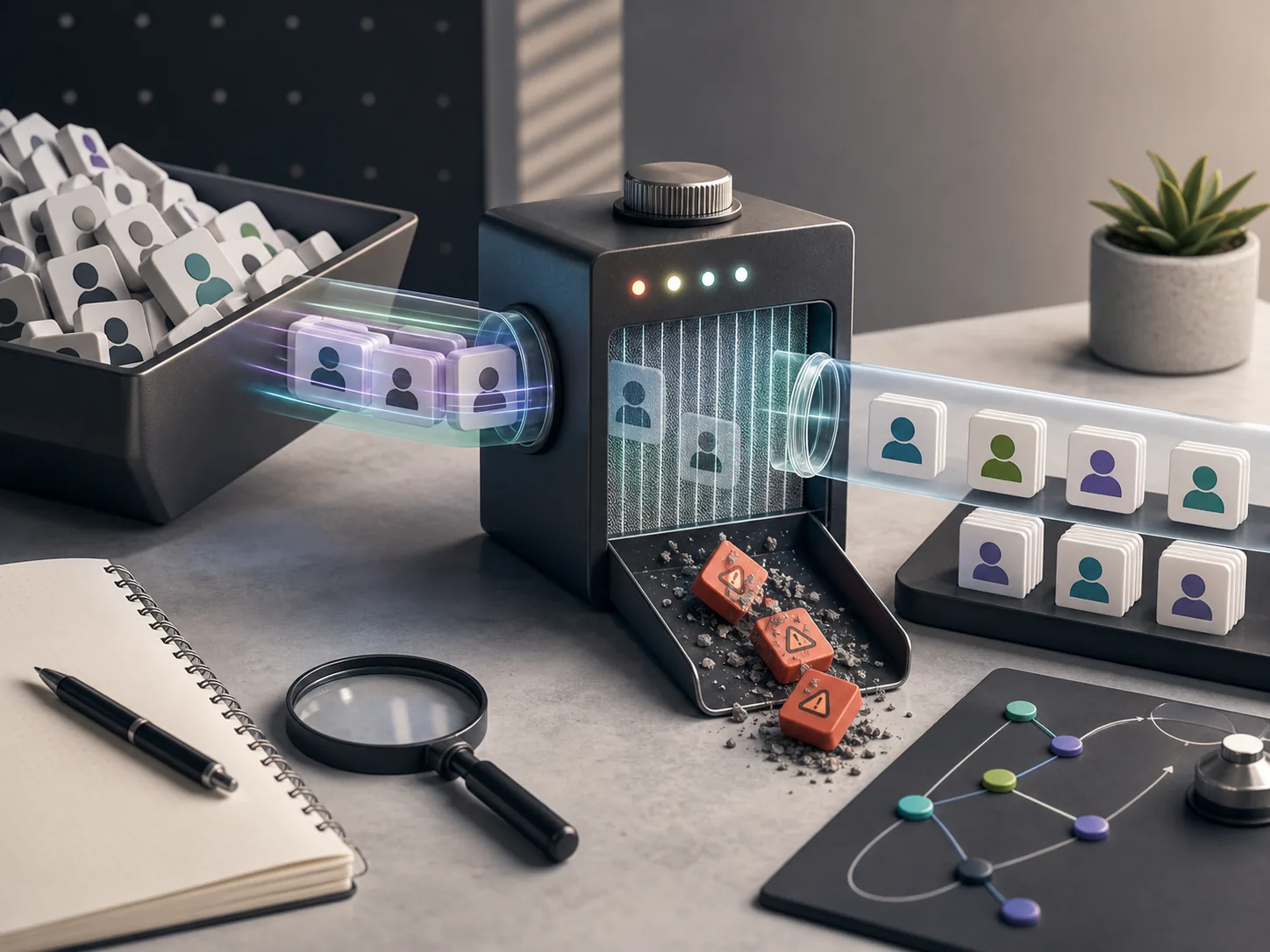
Every Seed-stage founder we talk to has a version of the same line in their deck: “Hiring our first SDR.” It’s reassuring to investors. It signals discipline. And, when it works, it does mark the moment a startup graduates from founder-led sales to a repeatable motion.
The trouble is that it works less often than founders think. The base rates on early-stage sales hires are sobering, and the financial exposure is considerably larger than the line-item salary suggests. Before you make the hire, it’s worth being honest about what it actually costs when it goes wrong.
The base rate is against you
Start with how often early sales hires work at all. One frequently-cited operator analysis pegs the failure rate of early sales hires at venture-backed startups at ~70% when made pre-product/market-fit. That’s not “didn’t hit quota.” That’s “left, or had to be moved on, before producing meaningful pipeline.” Even for teams further along, the 2024 QuotaPath compensation report found that 91% of sales teams missed quota, and the 2026 State of Sales Development data showed 61.3% of SDR teams sitting below 70% quota attainment — a sharp drop from 75% hitting quota two years earlier.
In other words: hiring an SDR into a market that’s working is harder than it was in 2022, and the failure modes compound at Seed stage where the motion itself is still being built.
What a failed hire actually costs
The line-item salary is the smallest piece. The full cost picture, drawing from MarketBetter’s 2026 SDR turnover cost analysis, prices an average failed SDR at $97,690 all-in — and over $195,000 at the top of the range. The components:
- Recruiting and onboarding. External recruiter fees if used. Founder and team time spent interviewing. Tooling provisioning, training, documentation.
- Ramp drag. The Bridge Group puts average SDR ramp at 3.2 months. In that window the rep is consuming founder attention, paying full salary, and producing partial output. If the hire fails at month four or five, you paid for the ramp and got none of the productive period.
- Pipeline gap. Months without functioning outbound is months without the pipeline that hire was supposed to produce. The startup pays twice — the salary plus the opportunity cost.
- Team and brand drag. A failed hire creates internal narrative — “the SDR didn’t work out, maybe outbound is broken.” That story sticks even when the next hire is sound.
- Domain and list damage. A junior rep sending half-formed sequences to a half-formed list can quietly hurt sender reputation in ways that cost twelve more months to repair.
Add this up and a single failed SDR is roughly equivalent to a year of senior agency support, with the difference that the agency walks away with a documented motion and the failed hire walks away with a severance agreement.
Why early hires fail (specifically)
The pattern across post-mortems is consistent. Failed early SDR hires rarely fail because the rep was incompetent. They fail because the system around the rep didn’t exist:
- No defined ICP they could defend in a discovery call
- No tested messaging library — just “write whatever sounds good”
- No qualification bar, so they booked anyone willing to talk
- No reporting cadence, so problems weren’t caught until they were three months deep
- No senior operator they could escalate to inside the company
“We’ve had founders tell us ‘the SDR isn’t booking enough meetings,’ and when we dig in, the SDR is sending well-crafted emails into a list nobody validated, with a value prop that’s been rewritten four times, to titles the founder isn’t actually sure are the right buyer. The rep was set up to fail in week one.” — Sally Rutherford, Managing Director of Outbound Panda
The Bridge Group data adds the demographic context: annual SDR attrition runs at ~39% — already the highest churn level in the sales org — so even when a hire works, you have roughly fifteen productive months before you’re hiring again. If the first cycle didn’t build the operating system, the second cycle starts from the same blank page.
The alternative most founders don’t consider
There’s a third option between “hire an SDR” and “do nothing.” Run the motion first — through an outsourced engagement or a senior fractional operator — long enough to answer the questions a hiring decision should rest on:
- Which two or three segments respond at a positive reply rate that would justify another full-time person hunting them?
- Which messaging angles work, written down in a form a new hire can adopt on day one?
- What does the qualified-meeting bar look like, with examples?
- What’s the weekly operating cadence that catches problems early?
- What’s the meeting-to-opportunity rate the motion produces, and is that economically defensible at your ACV?
The cost of getting those answers before hiring is a fraction of a single failed SDR. The cost of skipping them is the $97,690 the data quotes — plus the months you can’t get back.
Jason Lemkin’s long-standing SaaStr guidance captures the principle cleanly: close the first ten yourself, document how, and only then hire to scale what you’ve already proven.
What this means in practice
The SDR-hire instinct at Seed is right in direction and usually wrong in sequencing. Hire the rep against evidence, not optimism. Have an ICP they can defend, messaging they can trust, and a qualification bar they can apply on day one. Skip that work and you’re paying $97,690 (statistically speaking) to learn what you could have learned for far less.
The best outcome of doing the work in the right order isn’t avoiding the hire — it’s making the hire actually succeed. SDRs are an excellent investment when they walk into a working motion. They’re an expensive liability when they don’t.